Share on Facebook
 Share on X
 Share by Email
 Share on Google Classroom
Endemic species are species that can be found only in one area of Earth. Canada is home to multiple animals found nowhere else. Given their highly restricted range and often specialized life history, these animals are commonly at risk. While there are many endemic subspecies in Canada (e.g., Peary caribou and wood bison), this list details nine species that can only be found in Canada.
Key Terms
Anthropogenic — Resulting from human activity, usually in relation to pollution or environmental degradation.
Endemic — Native to an area, which is the only place where it can be found.
Extirpated — Local extinction. The species may still be present elsewhere but has become locally extinct.
Atlantic Whitefish
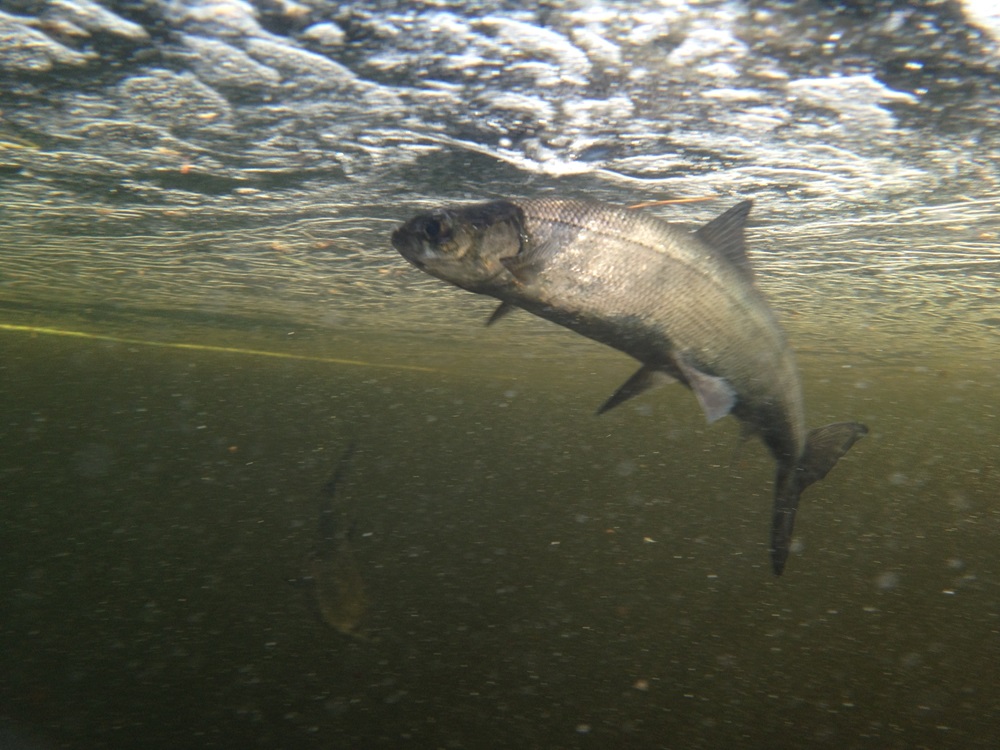
The Atlantic whitefish (Coregonus huntsmani) is a unique and endangered salmonid whitefish that can only be found in the wild in three lakes near Bridgewater, Nova Scotia. Once, this fish migrated between freshwater and the Atlantic Ocean; now, it is restricted to the Petite Rivière Watershed and is in decline. In fact, the Atlantic whitefish was the first fish species to be declared endangered by the Committee on the Status of Endangered Wildlife in Canada (COSEWIC) in 1984. Invasive predators like chain pickerel and smallmouth bass, as well as habitat degradation, could lead to the extinction of this species. A 2019 study estimated that only 13 breeding females remained in the wild.
To preserve the species, a team of government scientists, academics and nonprofits has established a captive breeding program at Dalhousie University. Still, inconsistent funding and a lack of suitable habitat make conservation challenging.
Banff Springs Snail
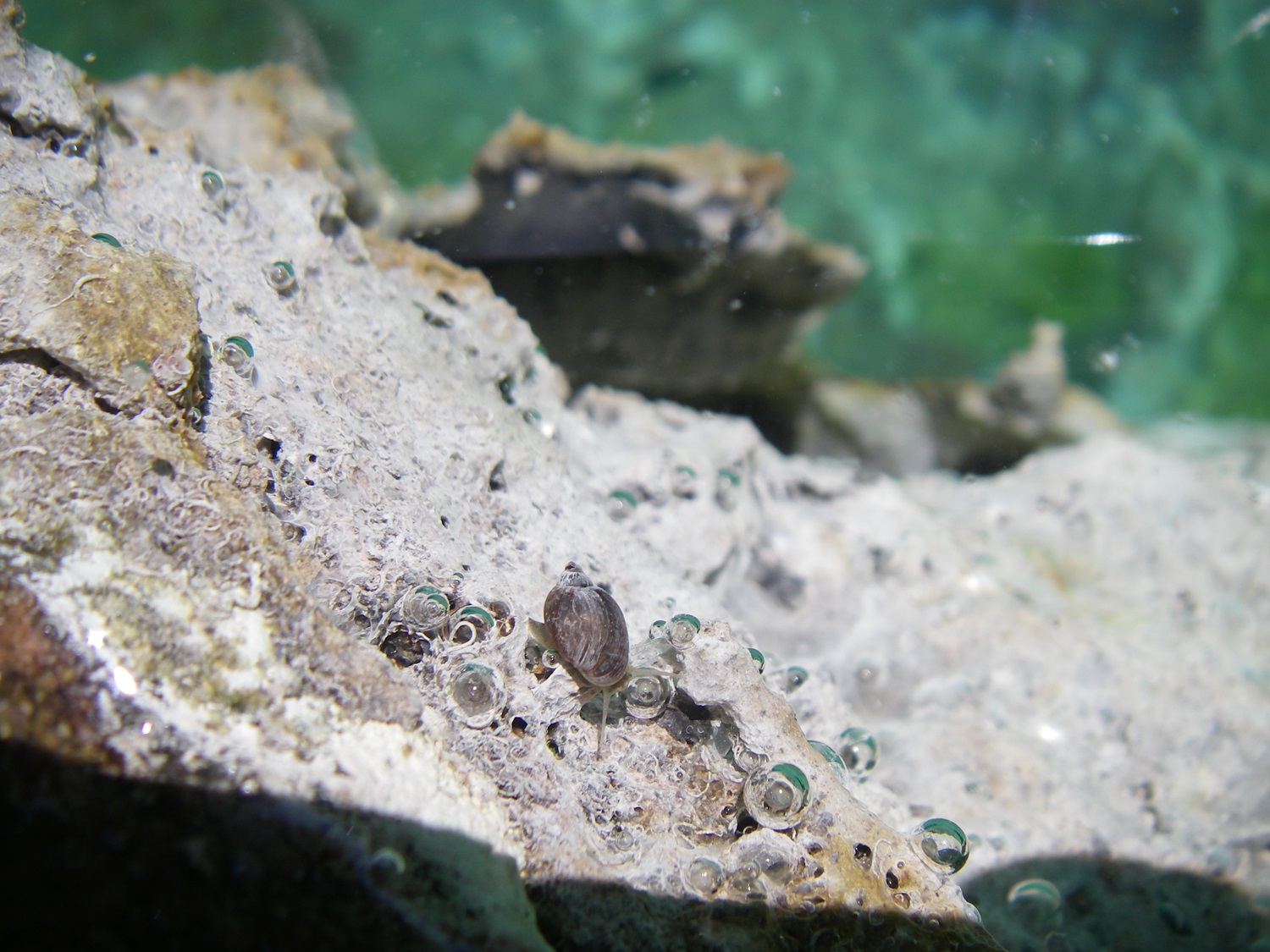
The Banff springs snail (Physella johnsoni) is a small, endangered snail that inhabits five hot springs on Sulphur Mountain in Alberta's Banff National Park. A highly specialized mollusc, the Banff springs snail prefers water between 30° and 36°C and grazes on the algae and bacteria that grow in the hot springs. While this snail has always had a very limited range, it has already been extirpated from four other hot springs in the area. It is very sensitive to environmental changes and human disturbance; chemical contamination by human visitors, such as dipping a hand into the spring after using mosquito repellent, can have serious consequences for the snail.
Copper Redhorse
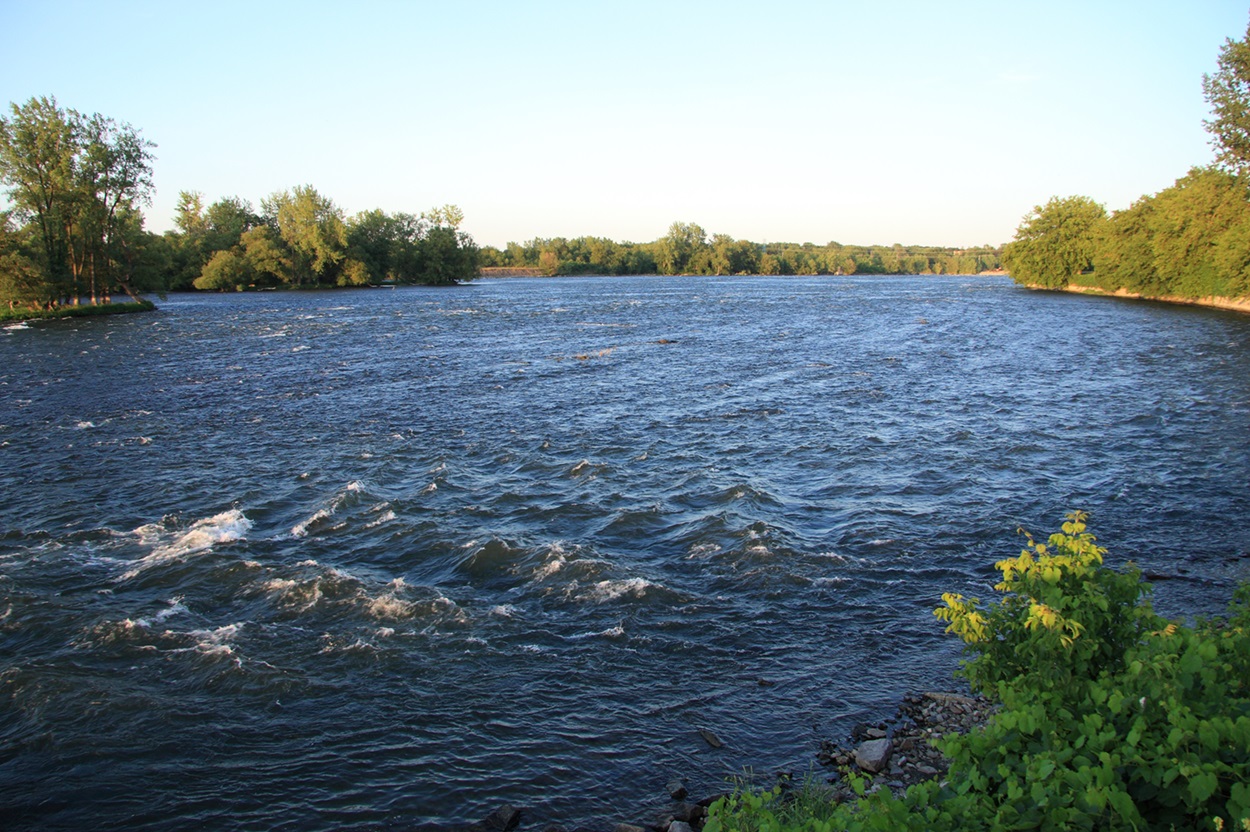
The copper redhorse (Moxostoma hubbsi) is a large, endangered freshwater fish endemic to the St. Lawrence and Richelieu rivers in Quebec. This unique fish has molars that enable it to break the shells of molluscs living in underwater grass beds. These underwater grass beds are primarily present in the St. Lawrence River near Montreal. Late in the season, copper redhorse swim to the Richelieu River in order to spawn. As such, both regions and the transit between them must be safe in order for this fish to survive.
However, due to herbicides and pesticides entering waterways from agriculture and continued development in and around their key breeding and feeding grounds, the population is in decline compared with precolonial times, when these fish were among many important food sources for the Mohawk people. The current number of remaining copper redhorses is uncertain, but most estimates suggest it is a few hundred at most.
Cowichan Lake Lamprey
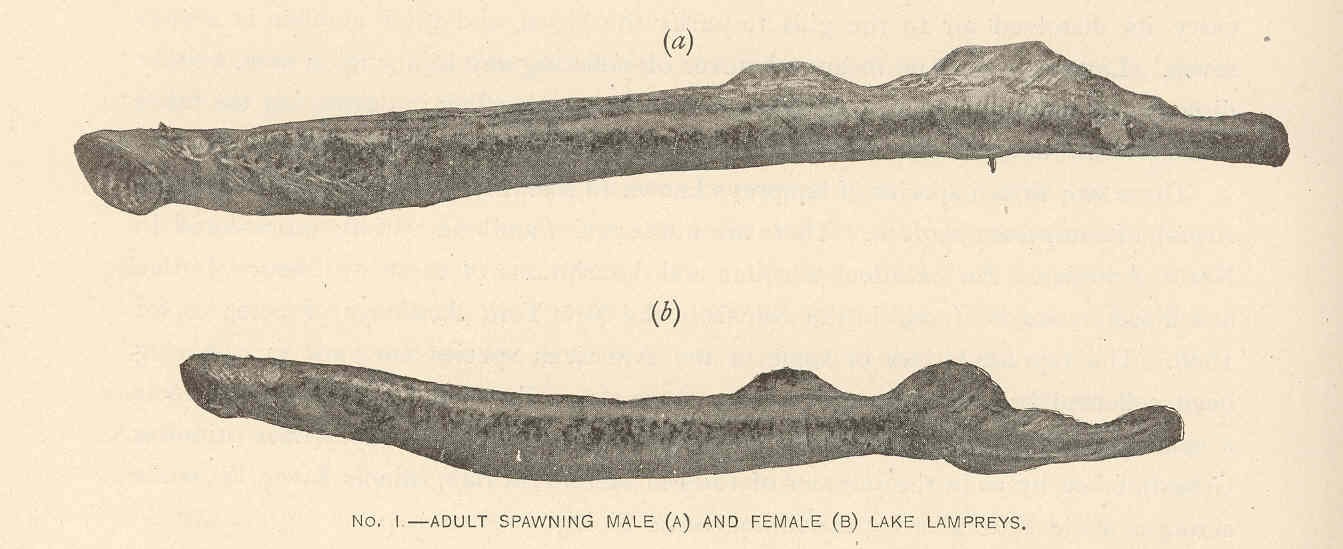
The Cowichan Lake Lamprey (Entosphenus macrostomus, previously Lampetra macrostoma), also known as the Vancouver lamprey, is an eel-like, jawless, parasitic fish that can only be found in the Cowichan Valley watershed in southern Vancouver Island, British Columbia. This unique fish can reach nearly 30 cm in length and feeds exclusively on other fish. Like all other lampreys, the Vancouver lamprey is semelparous, meaning it can only breed once in its lifetime. This species is currently categorized as Threatened under the Species at Risk Act. Anthropogenic changes to their habitat and prey base, as well as water quality degradation, are the main drivers of their decline.
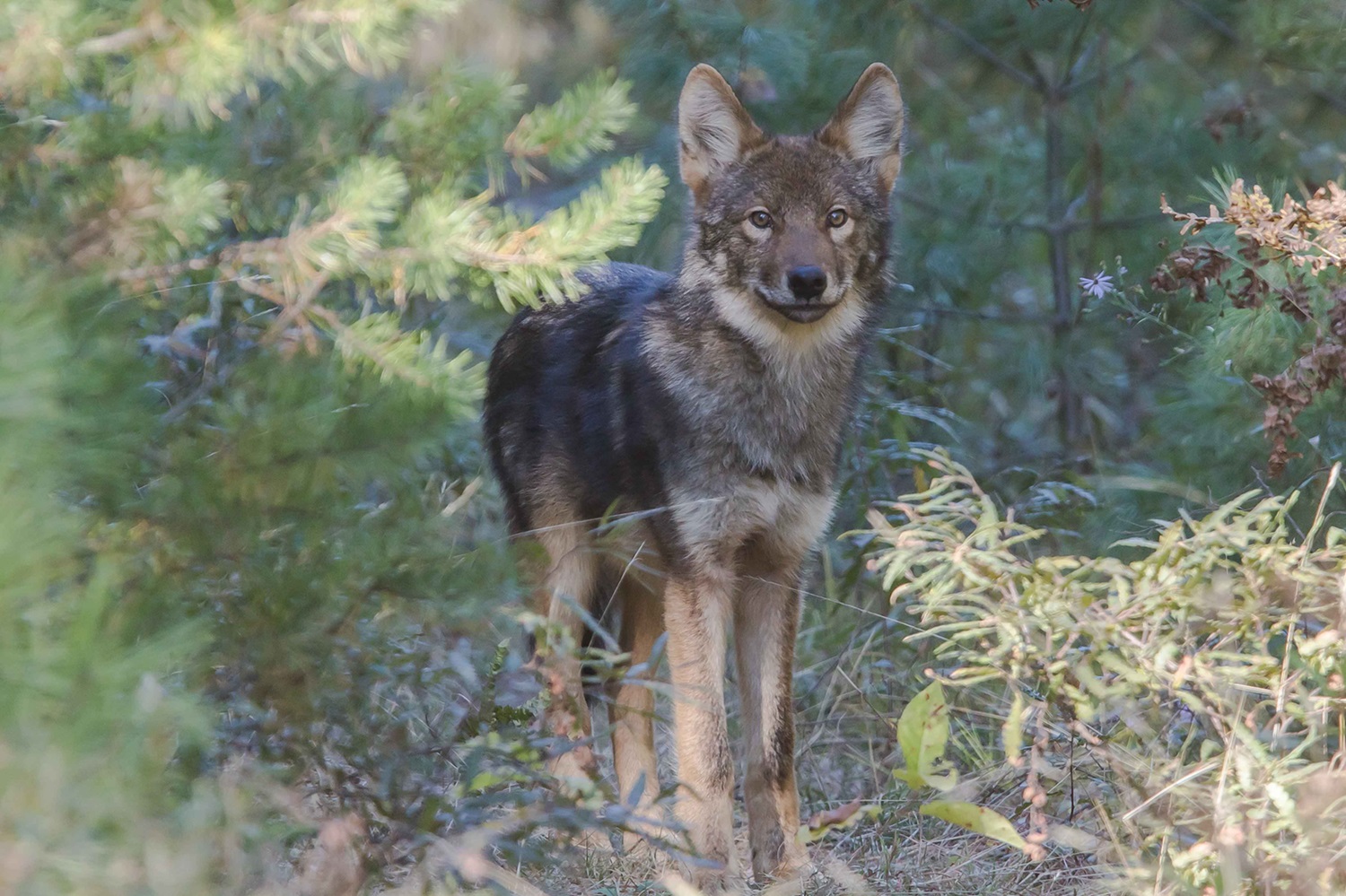
Eastern Wolf
The eastern wolf (Canis lycaon), sometimes considered a subspecies of the grey wolf (Canis lupus lycaon), is a large canid that can only be found in Quebec and Ontario. Most common today around Algonquin Provincial Park, the eastern wolf may once have had a broader range, expanding into the United States, but has since been extirpated. Even in Canada, the eastern wolf is categorized as Threatened under the Species at Risk Act. The main threats to eastern wolves are hunting, trapping, road mortality, competition with coyotes and habitat loss.
Did you know?
The eastern wolf can interbreed with coyotes, making it difficult to visually distinguish between the two. DNA analysis is therefore needed to confirm the presence of eastern wolves.
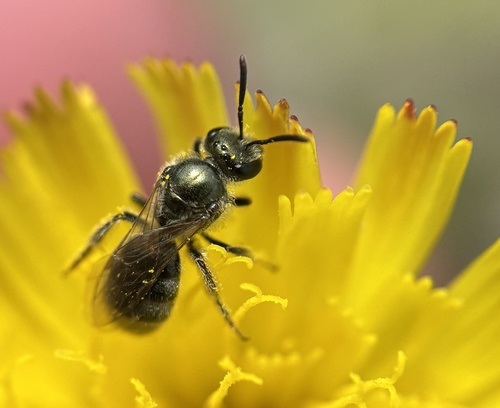
Sable Island Sweat Bee
The Sable Island sweat bee (Lasioglossum sablense) is a small bee that can only be found on Sable Island, a 34 km2 island off the coast of Nova Scotia (see Sable Island National Park). This little bee nests in the sandy ground of Sable Island and pollinates many of the unique plants that also call this small island in the Atlantic home. This bee has been categorized as Threatened under Canada’s Species at Risk Act. Given that this bee only lives on a small, sandy island, sea level rise, violent storms and climate change could decimate its numbers.
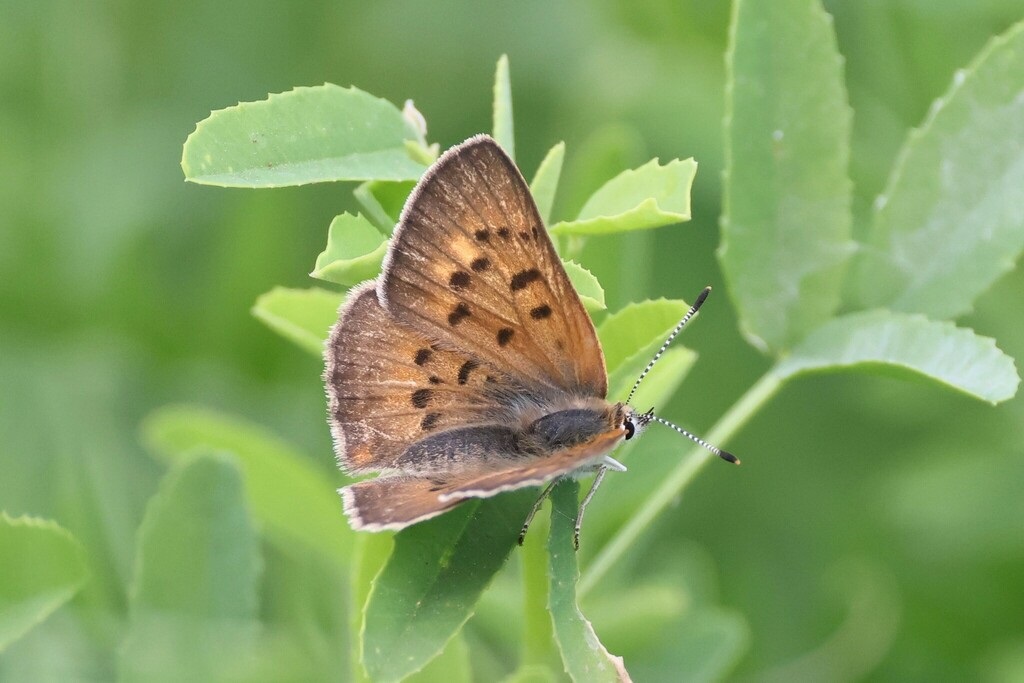
Salt Marsh Copper
The salt marsh copper (Tharsalea dospassosi) is a rare, small butterfly found only in salt marshes in eastern Quebec, New Brunswick and Nova Scotia. This orange-brown butterfly with black dots feeds on the nectar of various flowering plants like sea lavender (Limonium carolinianum), helping with pollination. While sometimes common in salt marshes and not currently listed under the Species at Risk Act, this species remains of concern given its limited range and the continued development of shorelines and salt marshes.
Ungava Collared Lemming
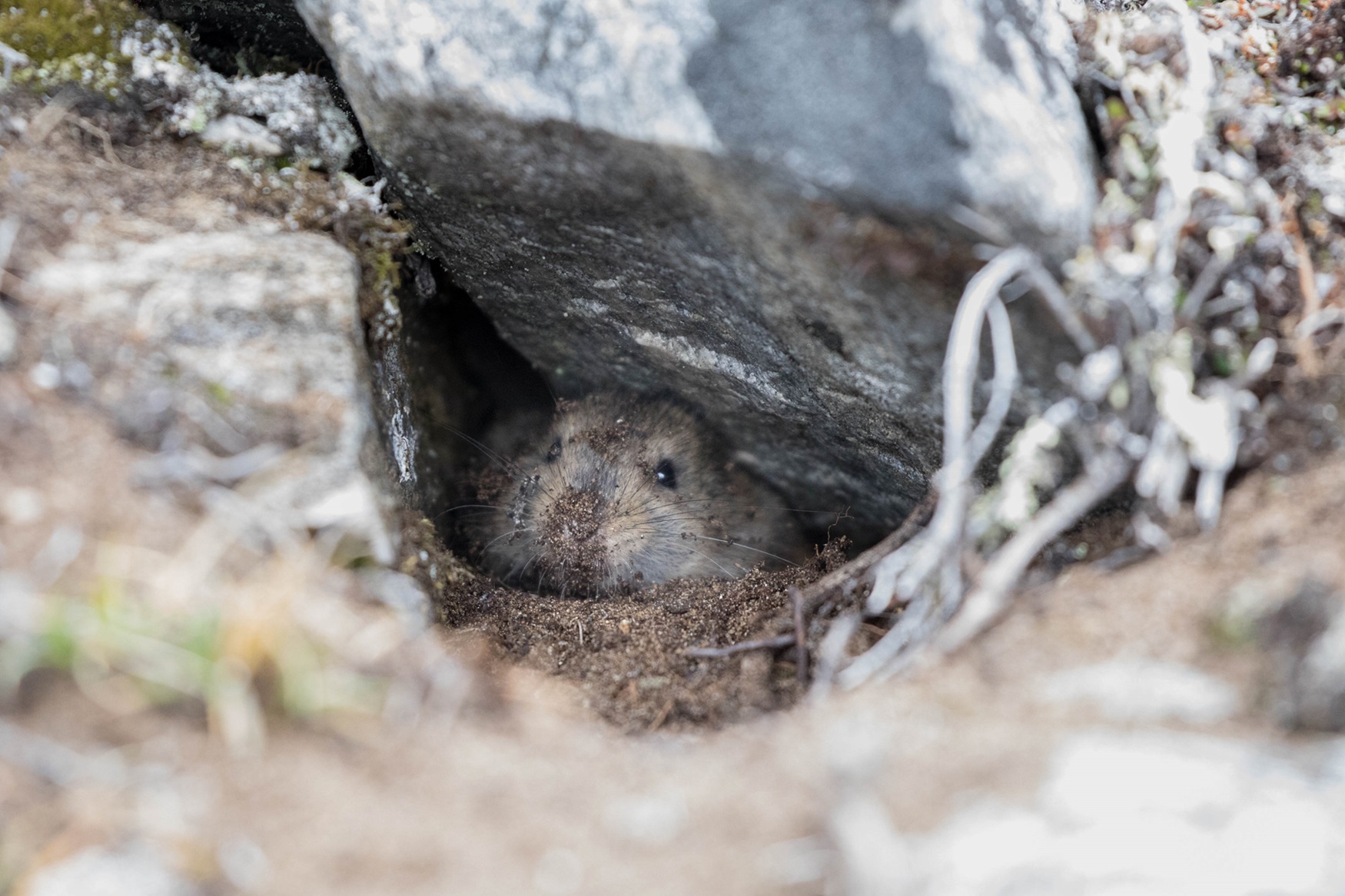
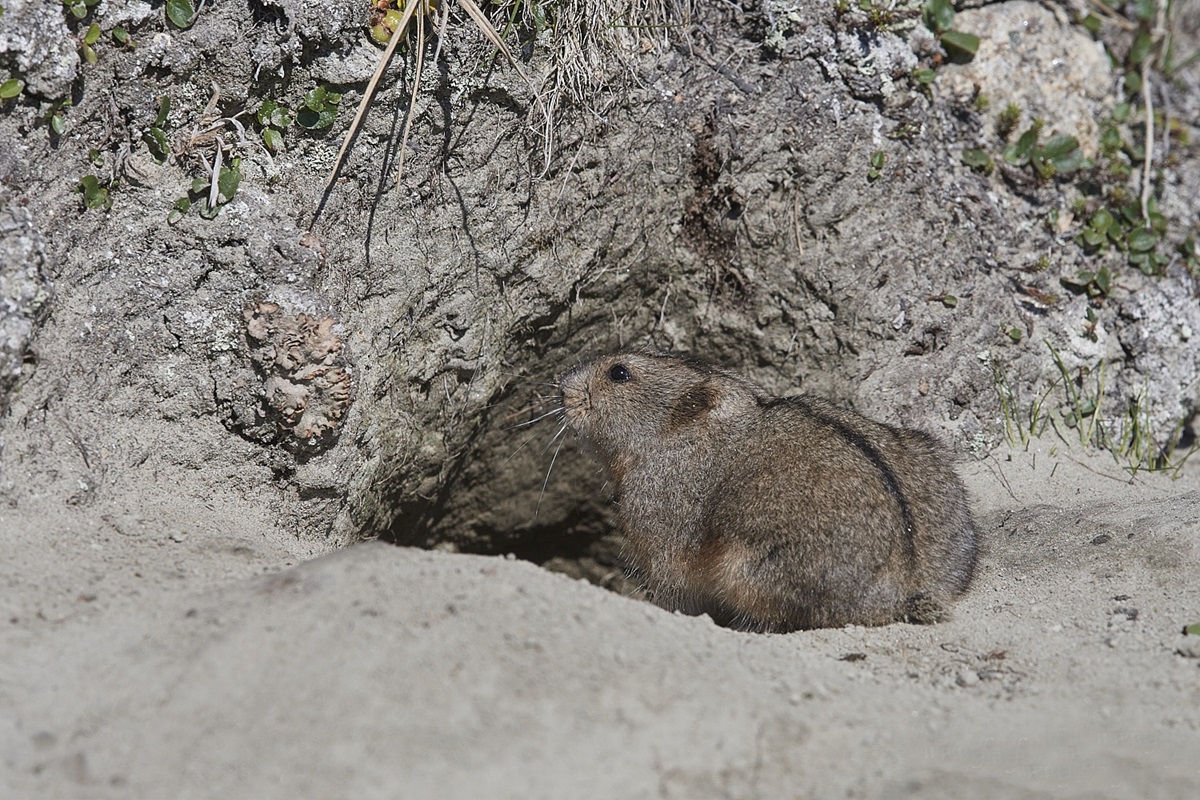
The Ungava collared lemming (Dicrostonyx hudsonius) is a small rodent that lives only in the northern tundra of Quebec and Labrador and perhaps in some parts of Nunavut. Greyish brown with a darker stripe down its back, Ungava collared lemmings live in small colonies and likely undergo large population fluctuations every two to five years. Research has found that densities can range from one lemming per acre to over 140 per acre. This suggests they are an important food source for various Arctic predators such as snowy owls and foxes. This lemming is currently listed as a species of Least Concern by the International Union for Conservation of Nature (IUCN).
Vancouver Island Marmot
The Vancouver Island Marmot (Marmota vancouverensis) is a large, dark-brown rodent found only on Vancouver Island, British Columbia. This marmot lives in colonies and favours subalpine meadows between 900 and 1,500 m above sea level. The Vancouver Island marmot is categorized as critically endangered by the Species at Risk Act. With only two subpopulations left, a total of about 427 individuals, less than 10 km2 of viable habitat combined and continued deforestation, they are at a very high risk of extinction within the foreseeable future. In 2003, only 30 wild marmots remained. Conservation efforts continue, but much work remains to be done to preserve the species