Share on Facebook
 Share on X
 Share by Email
 Share on Google Classroom
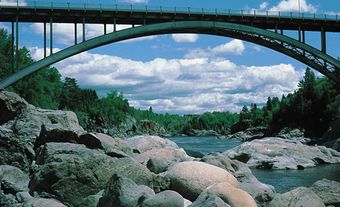
Dolbeau-Mistassini, Quebec, incorporated as a city in 1997, population 13,718 (2021 census), 15,214 (2016 census). Dolbeau-Mistassini is located at the confluence of the Mistassini and Mistassibi rivers, just north of Lac Saint-Jean. It comprises the two former communities of Dolbeau and Mistassini.
History of Dolbeau-Mistassini
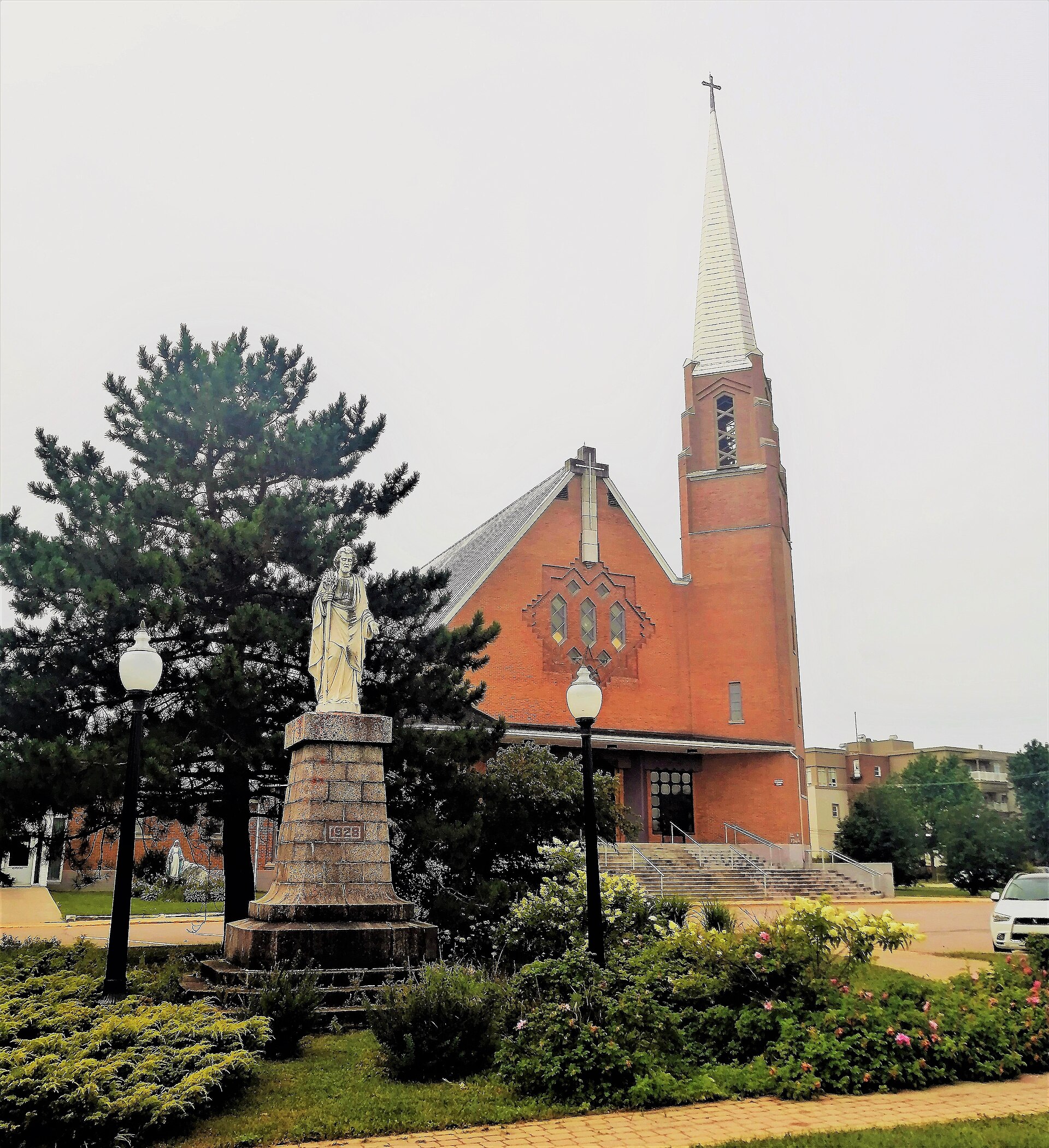
Settlement dates from 1892, when the Trappist fathers from Oka came to found a monastery on Mistassini River in the forests north of Lac Saint-Jean. The monks also built a flour mill and a sawmill. The name comes from Jean Dolbeau, a priest who served the Montagnais mission in Tadoussac, Quebec. At that time, Mistassini (which means “large stone” in Cree) was a small service centre for neighbouring parishes.
Dolbeau was founded when the Lake St. John Pulp & Paper Company — an American firm later bought out by the Canadian company Domtar — decided to build a paper mill on the Mistassibi River in 1927 and power stations on the Péribonka River (1954–60). The factory owners also built a city to house their employees, making Dolbeau a company town whose charter, modelled on that of Arvida, contained some deviations from the Quebec law for cities and towns.
After the Second World War, Dolbeau became the major service centre, including a hospital (1955), for the area north of Lac Saint-Jean. The town's growth forced the monastery to move to the nearby countryside (1979).
Tourism
Dolbeau-Mistassini is home to one of the few astronomic observatories in the province. Each July it holds a western festival and each August a blueberry festival, honouring the small, blue fruit found in such abundance in the district.