Share on Facebook
 Share on X
 Share by Email
 Share on Google Classroom
Gander, NL, incorporated as a town in 1954, population 11,880 (2021 census), 11,688 (2016 census). The town of Gander is located on Gander Lake in east-central Newfoundland. Both the town and the lake are named after the Gander River.
History
This fog-free site was selected by the British and Canadian governments in 1935 to accommodate flights, including the regular transatlantic air service that had developed in the 1930s. By 1938, construction of what was then one of the world's largest airports had been completed, and the community of Gander had begun.
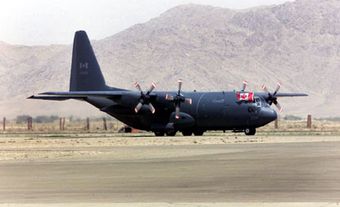
During WWII, Gander was a strategic link in the North American chain of defence, and in the RAF Transport Command's vital Atlantic ferry command. The RCAF established a base here in 1940, which was also used by the USAF. The civilian use and enlargement of facilities after the war attracted a population of about 3,000 by 1951, and by 1954, construction of a planned townsite began.
Although Gander's importance as a refuelling point has diminished, it has continued to attract many international flights, particularly from Eastern Europe, and thus records many of the defections from former communist countries that occurred in Canada. Air Traffic Control at Gander, the only oceanic unit in Canada, has jurisdiction over international and domestic airspace from west of Newfoundland to the mid-Atlantic and north to Greenland.
In December 1985, Gander was the focus of worldwide attention when a DC-8 carrying 256 passengers, 248 of them US soldiers returning from the Middle East, crashed after takeoff. All passengers and crew were killed in the worst air disaster over Canadian soil.
Aviation
Evidence of Gander's involvement in aviation can be seen throughout the community. All its streets are named after aviators — both local and world-renowned — and its buildings are named after famous aircraft. Throughout the town are model aircraft constructed of concrete and pipe, and during the summer months, retired aircraft are placed throughout the community for everyone to enjoy.
Gander International Airport
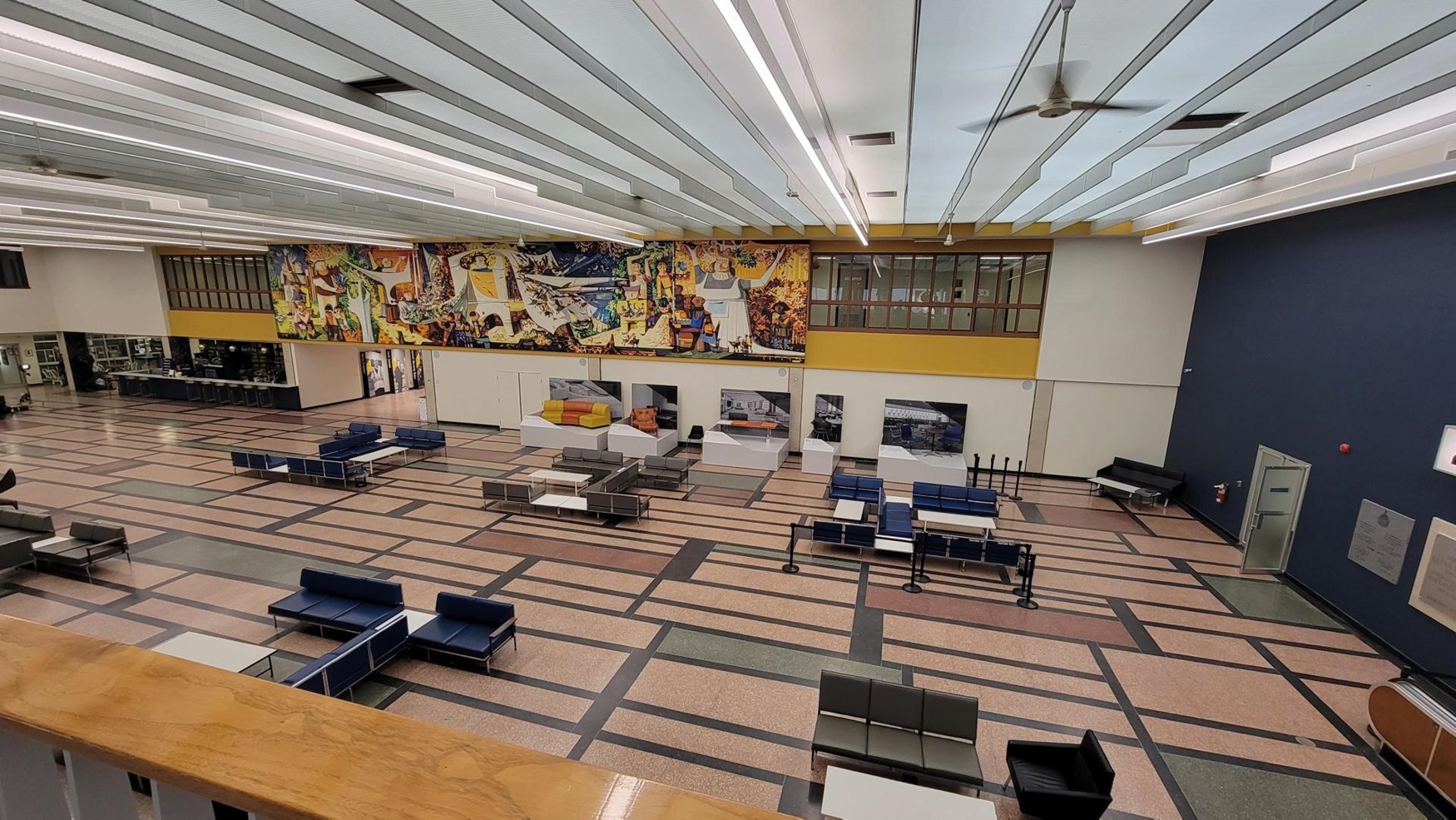
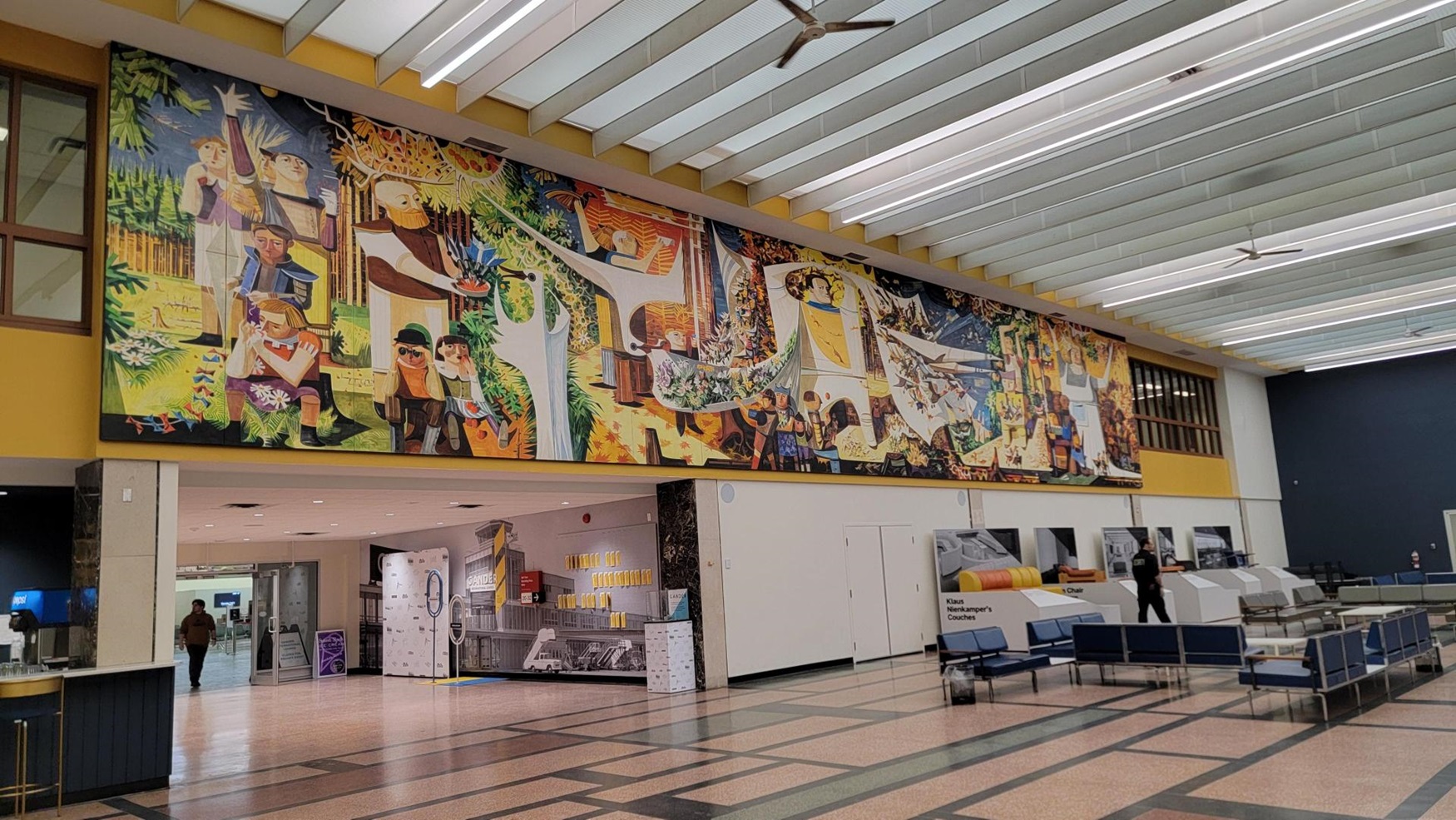
On 11 January 1938, the first airplane landed at Gander. It was a Fox Moth VO-ADE, operated by Imperial Airways for the Newfoundland Government and flown by Captain Douglas Fraser. Today, Gander International Airport remains an important stop for transatlantic flights that require a diversion or experience an emergency. Gander International Airport’s long runways reflect the need to potentially receive flights of any size.
9/11
On 11 September 2001, a series of terrorist attacks occurred in the United States. When the United States closed its airspace in response, hundreds of planes carrying thousands of passengers were diverted to Canadian airports. Nowhere was this challenge greater than in Gander, Newfoundland, where 37 flights were diverted to the town’s airport. The community of less than 10,000 people suddenly had to find shelter and food for 6,700 people. School bus drivers who were on strike left their picket lines in order to provide transportation to area schools and halls. Medical prescriptions were filled by pharmacies at no cost, and people opened their homes to passengers in need of a coffee or a shower (see 9/11 and Canada).
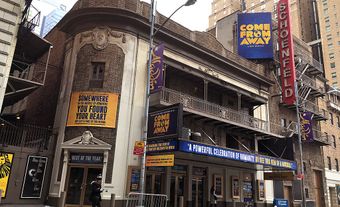
Gander’s response to 9/11 inspired the musical “Come from Away.”
Present Day
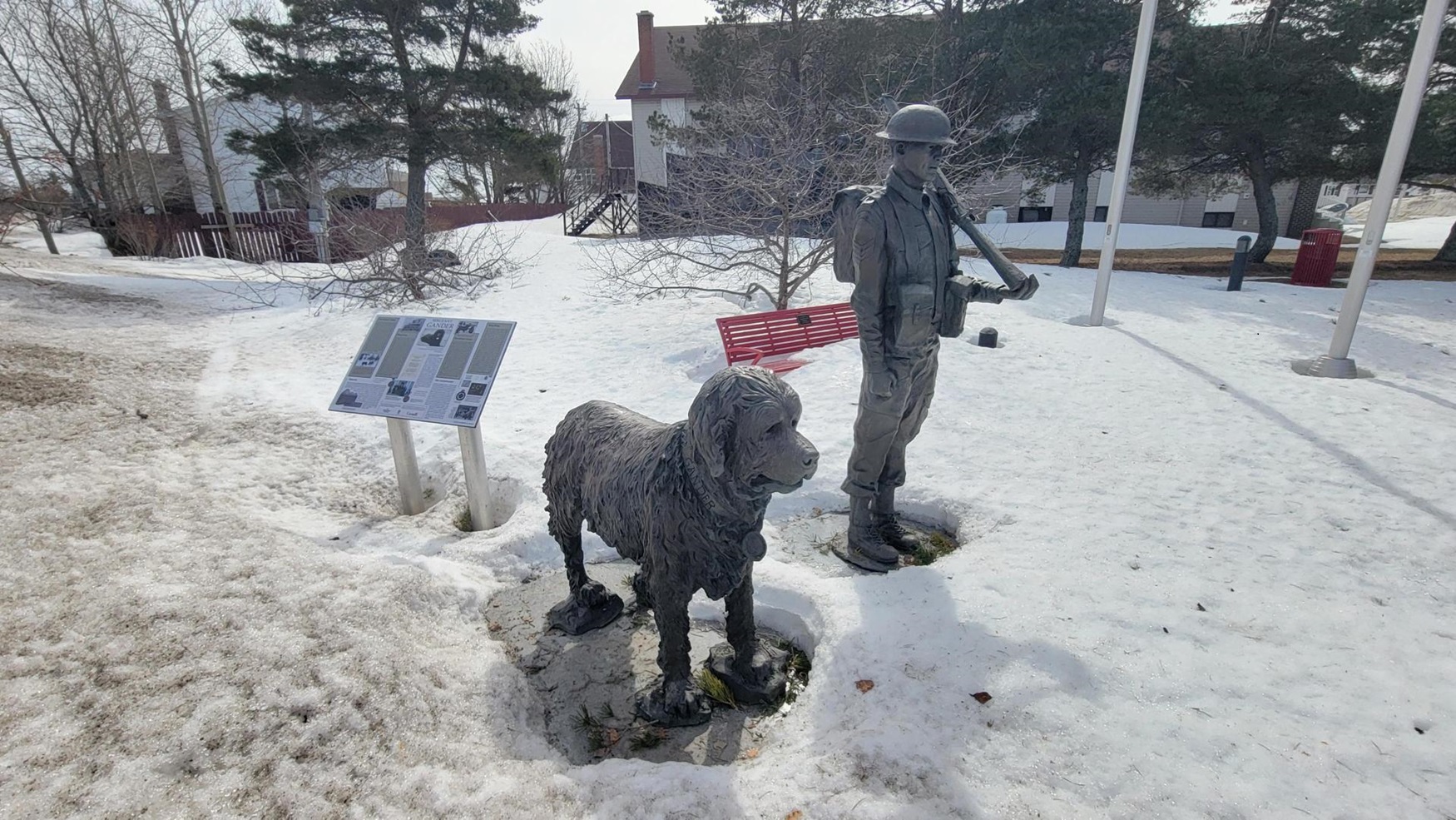
Gander is home to multiple parks and trails. One such park, the Gander Heritage Memorial Park, contains a statue of Sergeant Gander, a Newfoundland dog who served as the mascot for the Royal Rifles of Canada during the Second World War. He was killed in action during the Battle of Hong Kong in 1941 but was posthumously awarded the Dickin Medal.
The North Atlantic Aviation Museum is also in Gander.