Share on Facebook
 Share on X
 Share by Email
 Share on Google Classroom
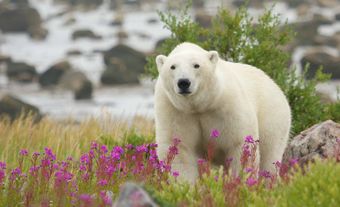
Animals are many-celled, responsive heterotrophs (eaters of various things). Herbivores eat plants; carnivores eat flesh; omnivores, such as humans, eat nearly everything. Parasites inhabit and subsist in other organisms. The shape of animals, the way they move, and how they sense, seize and swallow food suggest that the need to find an organic food source is one of the most important characteristics of their lives. Animals range from less than 0.1 mm (some rotifers and gastrotrichs) to 30 m in length, weighing as much as 150 tonnes (blue whale).

What is an Animal?
Many lifeforms on Earth are not animals, notably plants, fungi, bacteria, and protists. Generally speaking, animals are multicellular organisms that eat, move and sexually reproduce. Animals belong to the kingdom Animalia and share a common ancestor. This means that, for example, fish, snakes, clams, spiders, butterflies and humans are all animals, but so are countless other small and unique organisms most people are unfamiliar with.
Evolution
Animal evolution has resulted in a vast number of adaptations for successful life under all sorts of conditions. It is impossible to keep track of all species that have been formally described, but there are more than 1 million. Around 2,000 to 4,000 new species are found annually, usually small and inconspicuous, often from remote places (e.g., tropical rainforests, the deep sea, Canada's Arctic Archipelago).

Classification
The animal kingdom, Animalia, is divided into around 36 groups (phyla), each with characteristics that set it apart from all others. Genetic analysis and new discoveries mean the field of animal taxonomy is always in flux, and some estimates suggest the number of phyla could range from 31 to 38. Most phyla are small, with only a few, or a few hundred species.
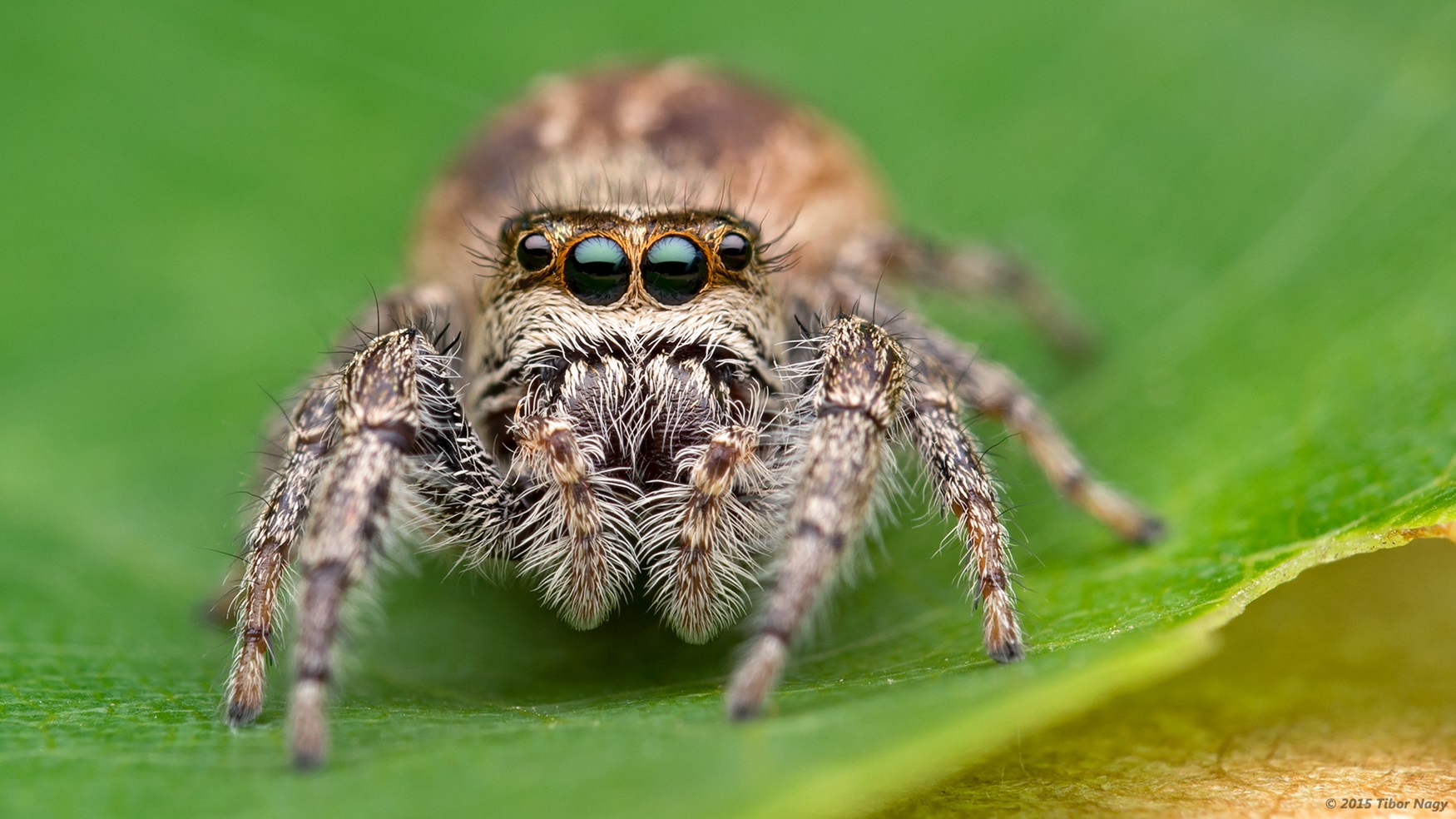
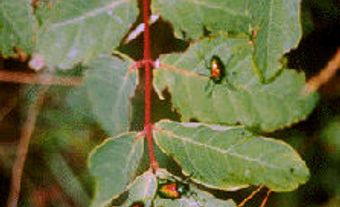
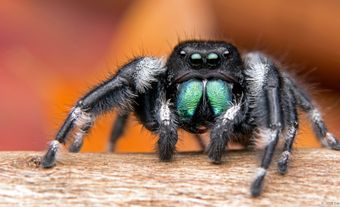
By far the largest is the phylum Arthropoda ("jointed foot"), with about 1 million named species. The phylum includes crabs and lobsters, millipedes and centipedes, spiders and a great many small, marine forms, but the most numerous are insects. Even in Cambrian times (544–510 million years ago, see Geological History of Canada), arthropods, other than insects, which appeared much later, dominated the scene.
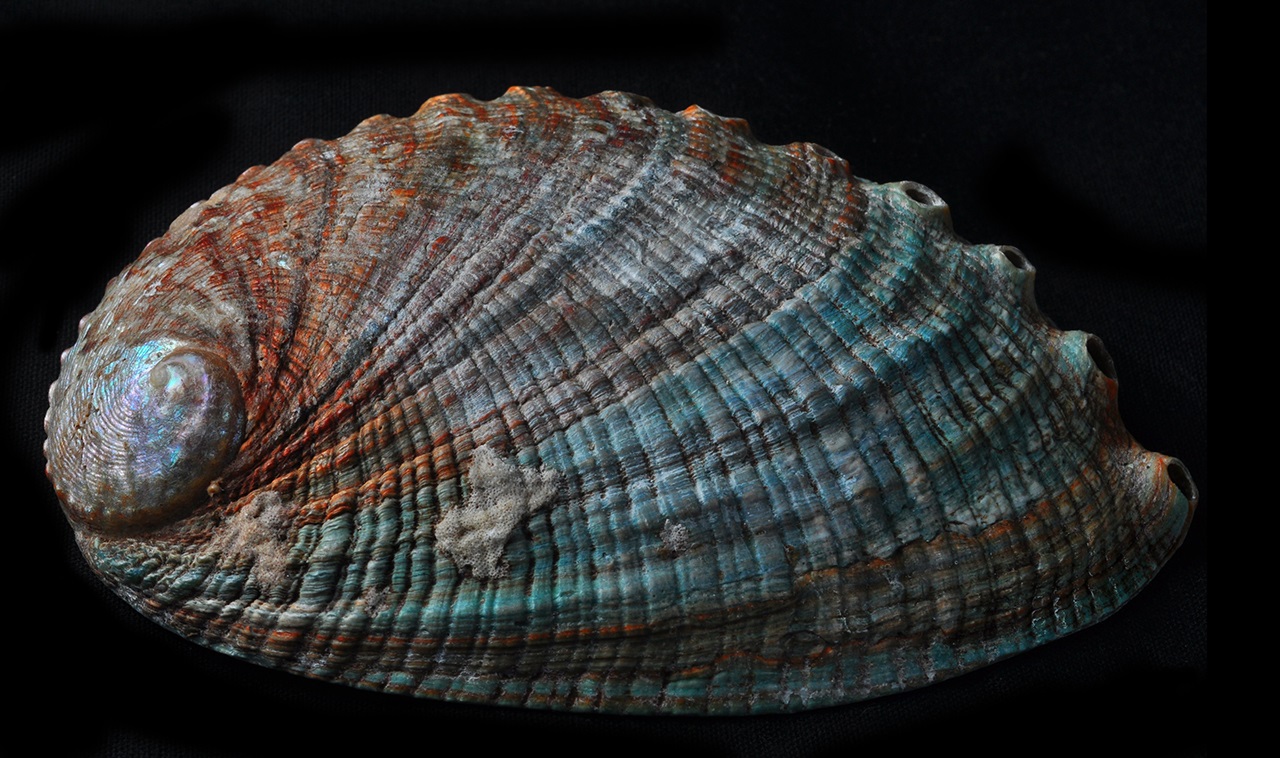
The phylum Mollusca ("soft-bodied"), another large and ancient group, includes clams and oysters, snails, octopuses and squids, among other forms. Nematoda ("threadlike") is a phylum of wormlike animals, many of which are parasitic on members of other phyla. Humans are parasitized by nematodes such as pinworms, hookworms, trichina worms, and others.
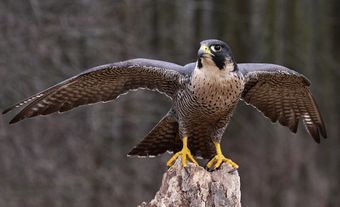
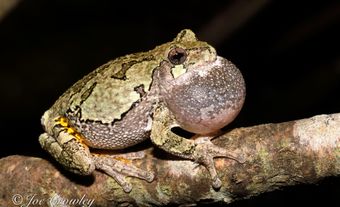
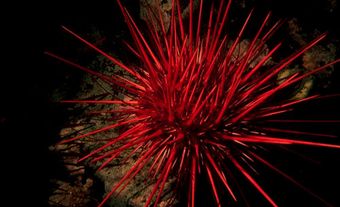
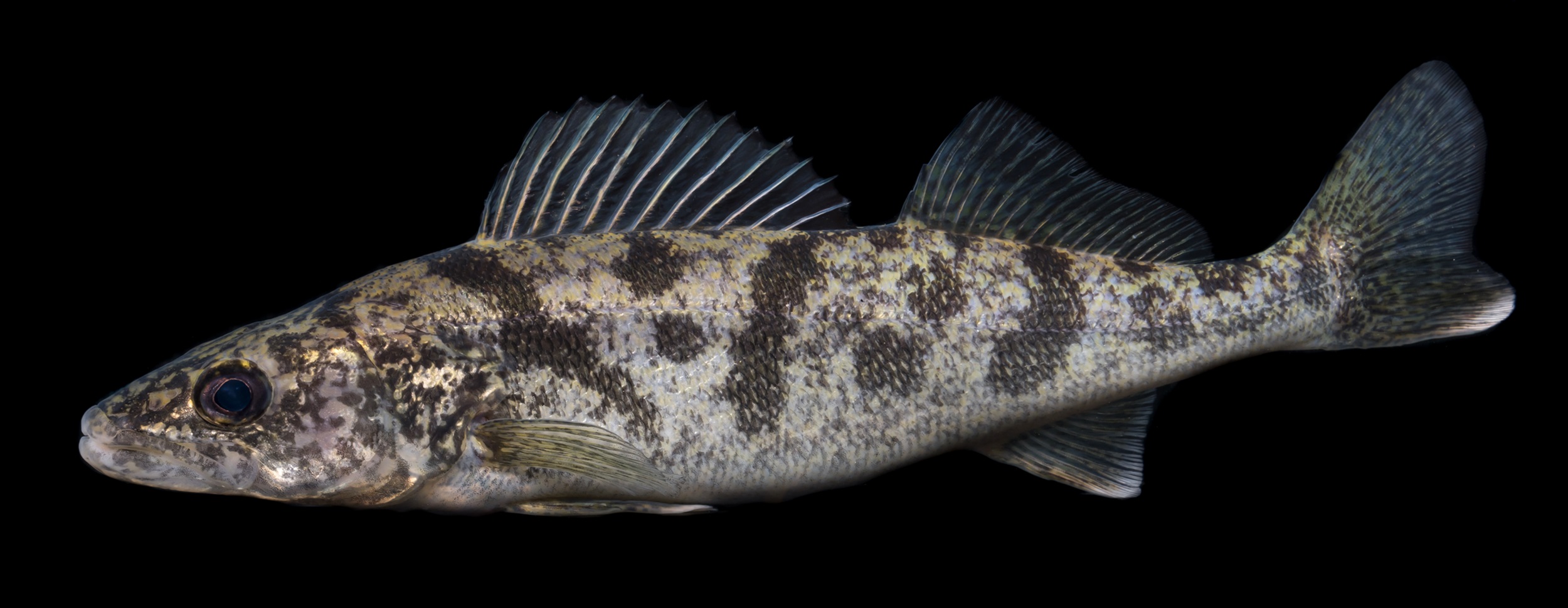
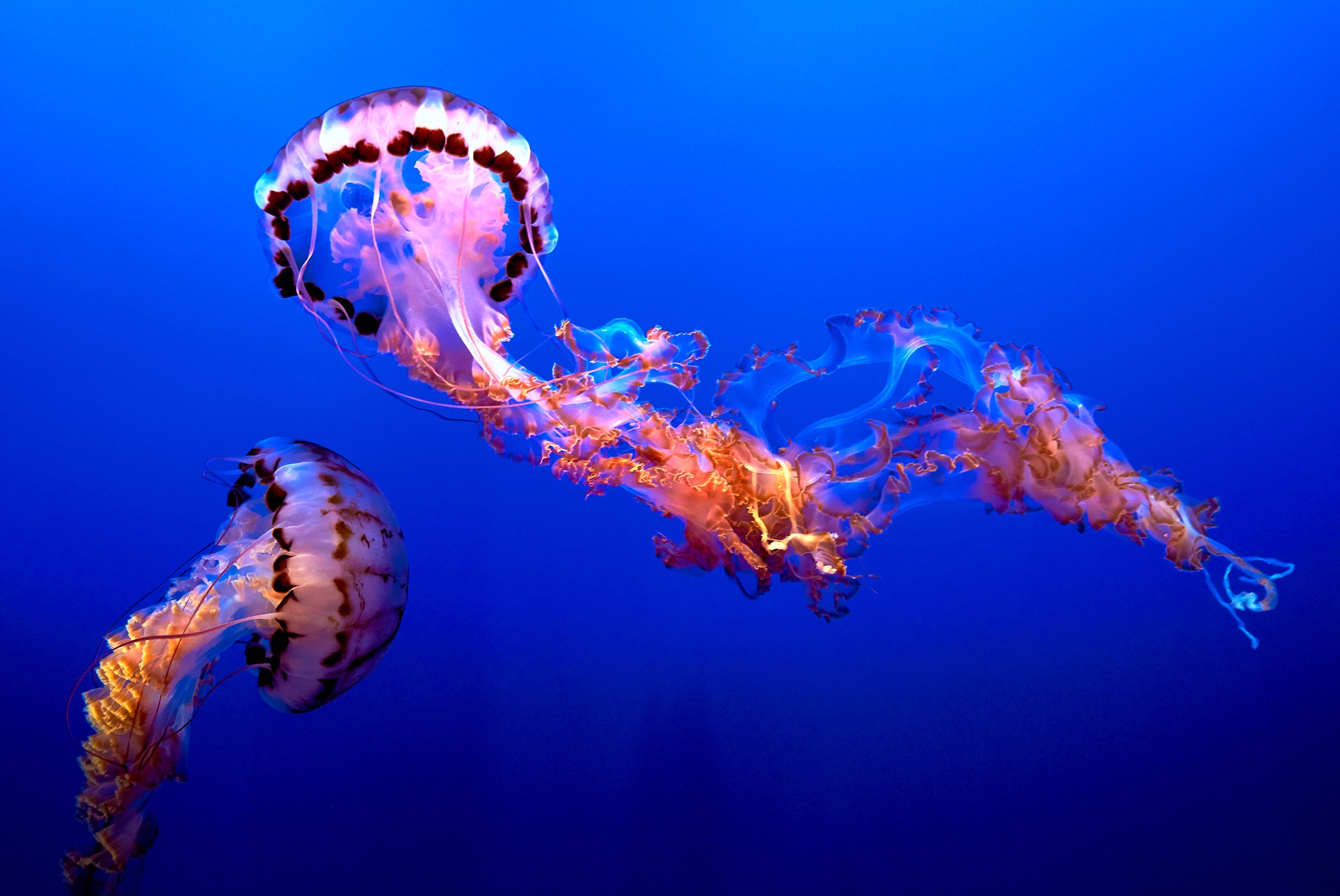
Other phyla commonly seen include Annelida ("little ring," earthworms), Echinodermata ("spiny skin," starfish, sea urchins, sand dollars) and Cnidaria ("nettle,"jellyfish and sea anemones). Animals with backbones, vertebrates, are placed in the phylum Chordata and include fish, amphibians, reptiles, birds and mammals. Although chordates may be the animals we are most familiar with, they make up less than 5 per cent of the fauna of the world. Many of the groups are known only to specialists; the animals are so small and obscure that they lack common names.
Animal Phyla
Listed below are the most widely accepted animal phyla. The phylogeny of the smaller taxa is in flux and is subject to ongoing scientific debate.
|
Phylum |
Common Name |
Key Characteristics |
Canadian Examples |
|---|---|---|---|
|
Segmented worms |
Multiple circular segments |
North American medicinal leech (Macrobdella decora) |
|
|
Arthropods |
Chitin exoskeleton |
Monarch butterfly (Danaus plexippus) |
|
|
Lampshells |
Lophophore, pedicle and top-bottom shell-hinge arrangement |
North Pacific lampshell (Terebratalia transversa) |
|
|
Bryozoa |
Moss animals or sea mats |
Lophophore, no pedicle and ciliated tentacles |
Kelp lace bryozoan (Membraniapora membranacea) |
|
Chaetognatha |
Arrow worms |
Chitinous spines on either side of the head and fins |
Elegant arrow worm (Parasagitta elegans) |
|
Chordata |
Chordates |
Hollow dorsal nerve chord, notochord, pharyngeal slits, endostyle and post-anal tail |
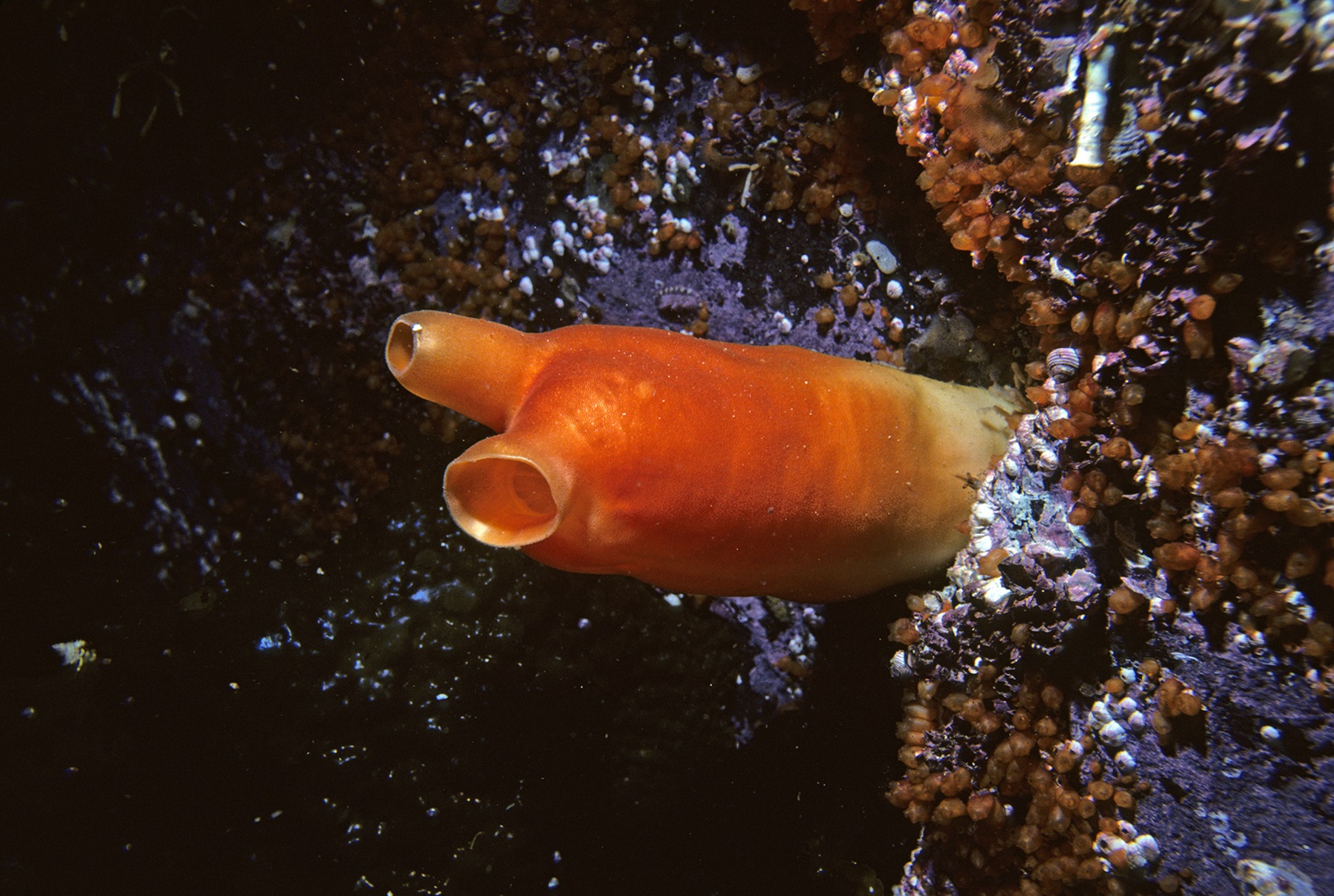
Canada goose (Branta canadensis), painted turtle (Chrysemys picta) and sea peach (Halocynthia pyriformis) |
|
Cnidarians |
Nematocysts |
Giant green anemone (Anthopleura xanthogrammica), moon jelly (Aurelia labiata) and orange sea pen (Ptilosarcus gurneyi) |
|
|
Ctenophora |
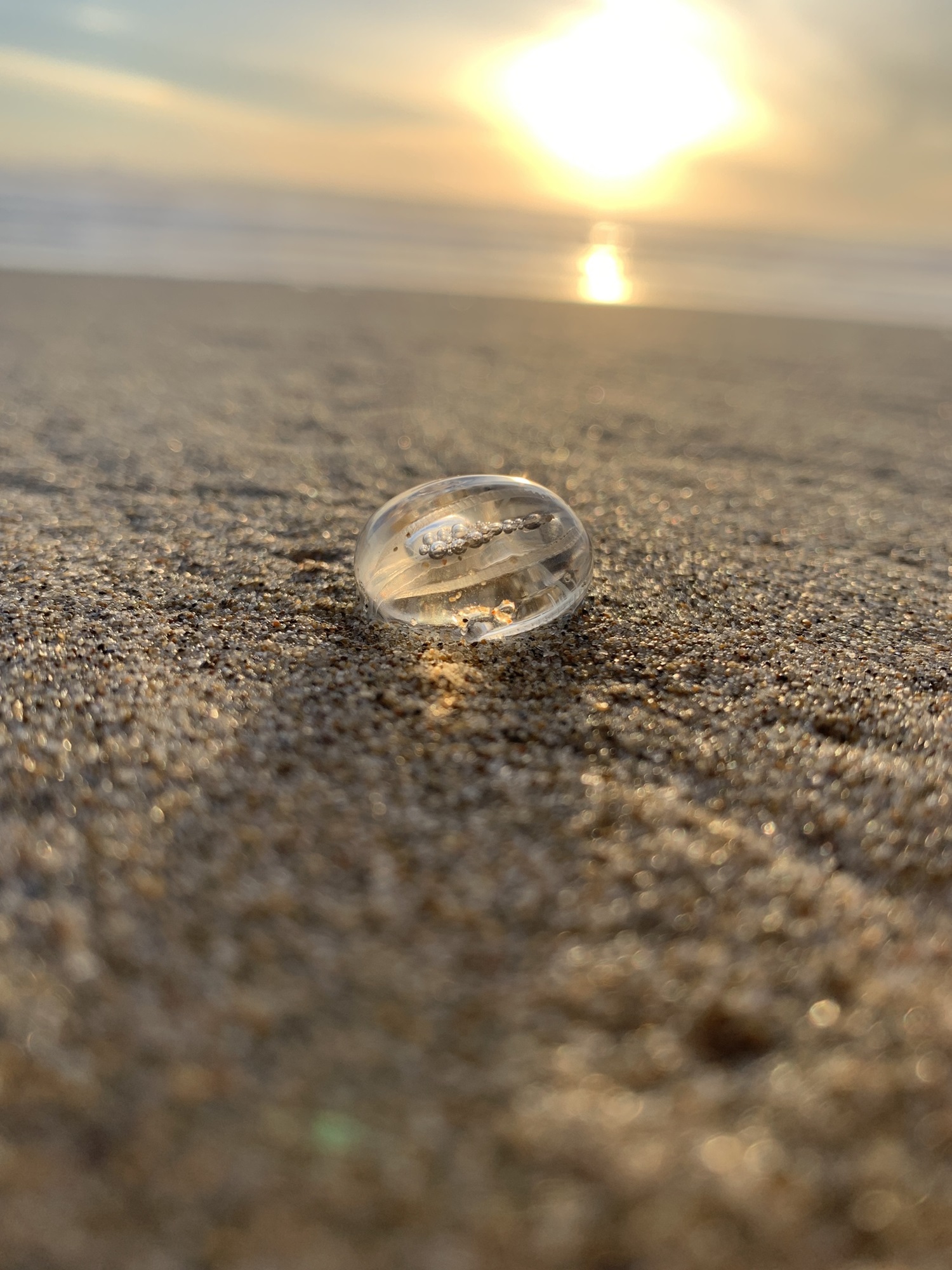
Comb jellies |
Eight comb rows of fused cilia |
Pacific sea gooseberry (Pleurobrachia bachei) |
|
Cycliophora |
Cycliophorans |
Circular mouth surrounded by small cilia |
Symbion americanus, parasite of the American lobster (Homarus americanus) |
|
Echinoderms |
Fivefold radial symmetry and mesodermal calcified spines |
Ochre sea star (Pisaster ochraceus), Arctic green sea urchin (Strongylocentrotus droebachiensis) and common sand dollar (Echinarachnius parma) |
|
|
Entoprocta |
Goblet worms |
Anus inside a ring of cilia |
Barentsia discreta |
|
Gastrotricha |
Gastrotrichs |
Two-terminal adhesive tubes |
Chaetonotus arquatus |
|
Gnathostomulida |
Jaw worms |
Ciliated epidermis, with only one cilium per cell |
Chirognathia dracula |
|
Hemichordata |
Acorn worms |
Stomochord in collar and pharyngeal slits |
Saccoglossus pusillus |
|
Kinorhyncha |
Mud dragons |
Eleven segments, each with a dorsal plate |
Echinoderes setiger |
|
Loricifera |
Loriciferans |
Umbrella-like scales at each end |
None recorded yet in Canada. |
|
Molluscs |
Muscular foot, mantle and round shell |
Pacific banana slug (Ariolimax columbianus), common periwinkle (Littorina littorea) and blue mussel (Mytilus edulis) |
|
|
Round worms |
Round cross-section and keratin cuticle |
Paratylenchus projectus |
|
|
Nematomorpha |
Horsehair worms or Gordian worms |
External cuticle with no cilia, internally only contains longitudinal muscles |
Gordius attoni |
|
Nemertea |
Ribbon worms |
Proboscis, which is in the rhynochoel when inactive, but everts to capture prey |
Purple ribbon worm (Paranemertes peregrina) |
|
Onychophora |
Velvet worms |
Legs tipped by chitinous claws |
None recorded yet in Canada. |
|
Orthonectida |
Orthonectids |
A single layer of ciliated cells surrounds mass of sex cells |
None recorded yet in Canada. |
|
Phoronida |
Horseshoe worms |
U-shaped gut |
Phoronis ijimai |
|
Placozoa |
Placozoans |
Aggregation of cells with no distinct body parts |
None recorded yet in Canada. |
|
Flat worms |
Bilateral symmetry, no body cavity or respiratory and circulatory organs |
Giant flatworm (Kaburakia excelsa) |
|
|
Sponges |
Perforated interior wall |
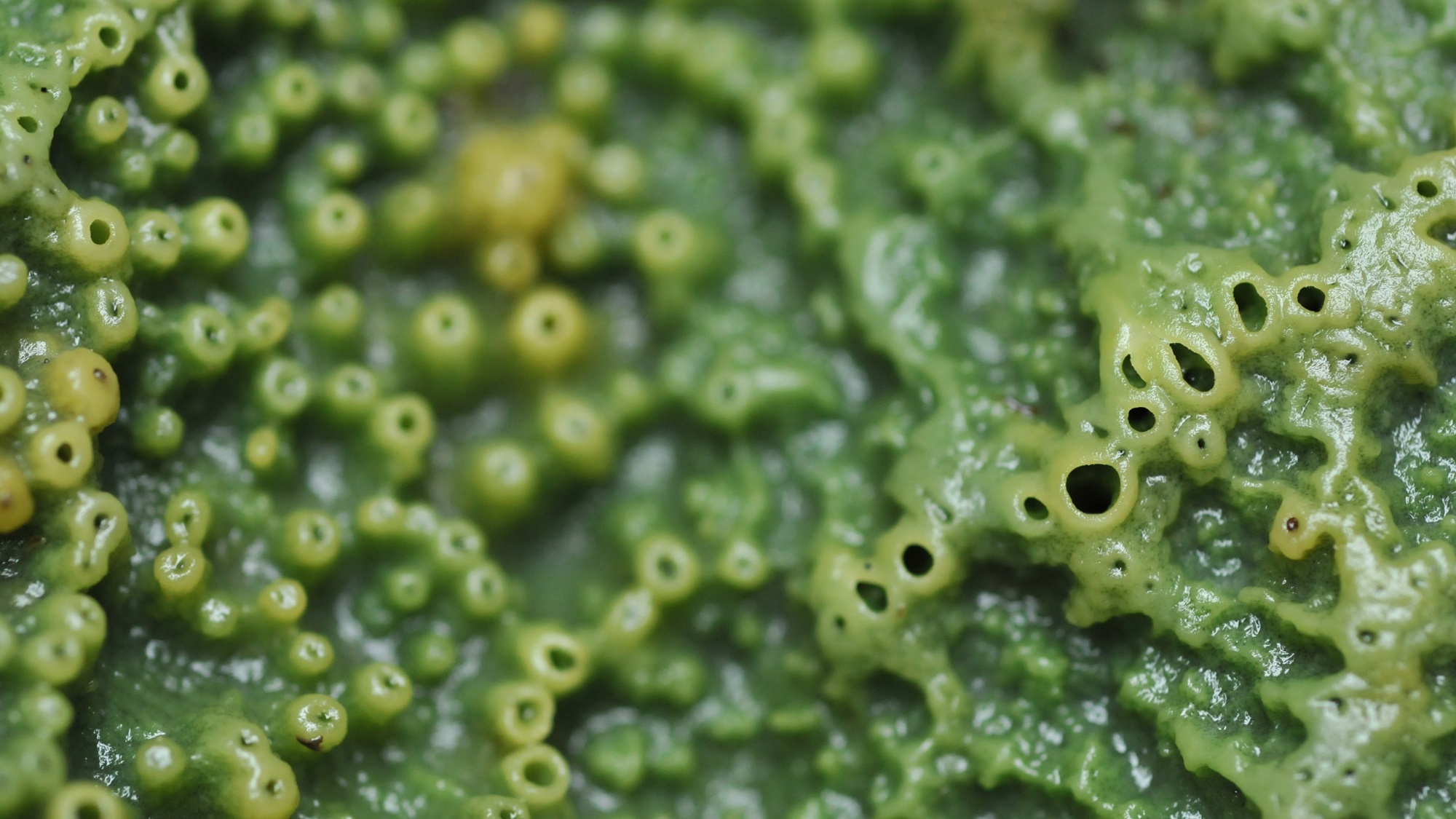
Bread-crumb sponge (Halichondria panicea) |
|
|
Priapulida |
Priapulid worms or penis worms |
Extensible spiny eversible proboscis |
Cactus worm (Priapulus caudatus) |
|
Rhombozoa or Dicyemida |
Rhombozoans |
Single axial cell from front to back, surrounded by ciliated cells |
Dicyemennea canadensis |
|
Rotifera |
Rotifers |
Crown of cilia at the front |
Kellicottia longispina |
|
Sipuncula |
Peanut worms |
Mouth surrounded by invertible tentacles |
Pacific peanut worm (Phascolosoma agassizii) |
|
Tardigrada |
Water bears |
Four-segmented body and head |
Macrobiotus hufelandi |
|
Xenacaelomorpha |
Xenacaelomorphs |
Ciliated deuterostome |
Neochildia fusca |

Habitats and Distribution
The sea is the most common environment for animals; dry land is the least common. Many animals are dependent on other organisms as parasites or near-parasites. Most of the most successful phyla take advantage of all environments.
Animal distribution depends on geography, climate and historical events. Each continental mass has a unique fauna which has evolved largely independently. Within each continent are distinctive associations of plants and animals isolated by features such as mountains, deserts or forests. Events of the past, such as glaciation or the shifting of land (see Plate Tectonics), have strongly influenced the adaptations of animals. Thus, there are more kinds of animals in the tropics than in the high latitudes because of more equable climatic conditions and longer periods of stable conditions, allowing for more complete exploitation of available habitats. The fauna of Canada, like its physiographic regions and vegetation, reflects its North American association, and the effects of the glaciers which only 10,000 years ago covered about 97 per cent of Canada's surface.
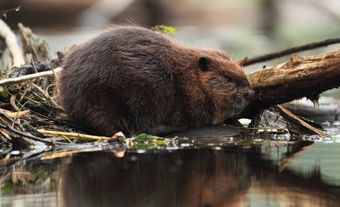
Some vertebrates are found nearly everywhere in Canada, e.g., northern pike, walleye, whitefish, Canada goose, mallard, ruffed grouse, beaver, muskrat, moose, black bear and weasel. Others are restricted, and almost unique to Canada, e.g., muskoxen in the Arctic Lowlands; mountain goats in the Western Cordillera; pronghorns in the Interior Plains; lake trout around the Shield; and snow geese across the Shield and eastern Arctic (see Animals Only Found in Canada). The rich assemblage of animals in the St. Lawrence Lowlands, a northern extension of southerly environments, includes bowfins among the fish, more amphibians and reptiles than anywhere else in Canada, the opossum and many birds.
Significance
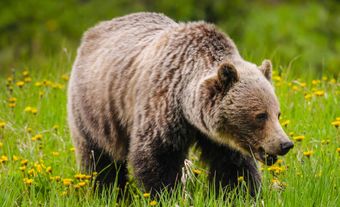
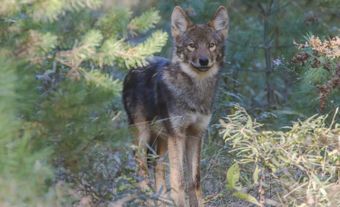
Canada's animals have influenced its history through their impact on the fur trade, fisheries and settlement, as well as on stories and songs. Canada's heritage includes tales of fierce mosquitoes and black flies, vast herds of bison, the calls of loons and coyotes, the busyness of beavers, and the friendliness of whiskey jacks (or gray jays). The fear inspired by grizzly bears and timber wolves, the sight of killer whales and sea otters, the skill needed to catch Atlantic salmon, and the pleasure of dining on Winnipeg goldeye are legendary. It is a rich heritage that must be preserved.
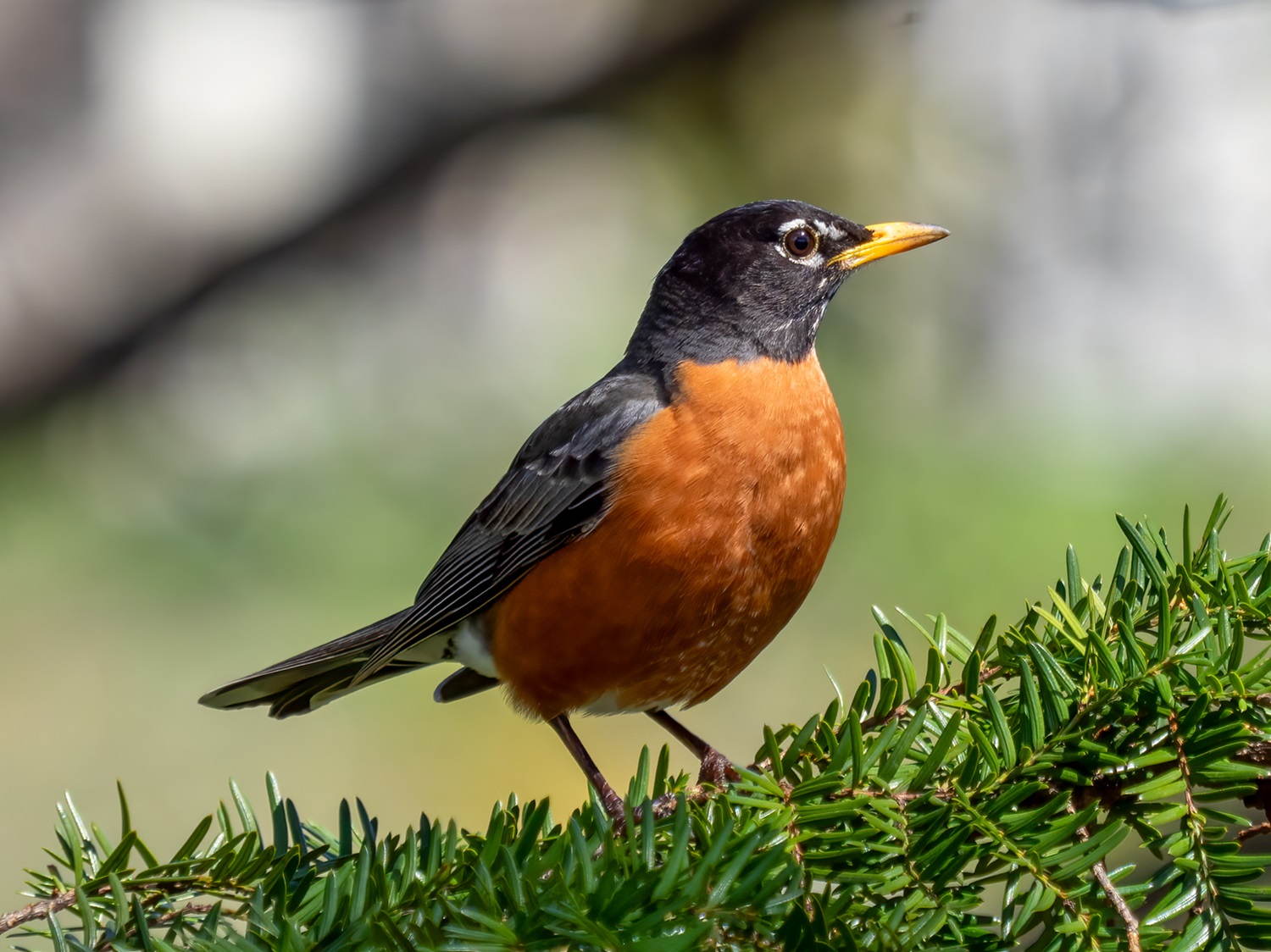
Healthy animal biodiversity also helps maintain ecosystem health. Countless species act as keystone species; without them, entire ecosystems can collapse. This damage is often permanent with potential social and economic costs. For example, the now-extinct passenger pigeon influenced the species composition of forests in Eastern Canada. They were also a staple food for many Indigenous peoples. The loss of this species is thought to have played a key role in the decline of several oak species, including white oak, burr oak and black oak. Additionally, many animals provide humans with key ecological services. For example, according to the World Health Organization, over 75 per cent of food crops rely on pollination.
The decline of wild animal populations and biodiversity makes natural ecosystems less resilient, impacting human health, the economy, and many leading employment sectors (e.g., agriculture, forestry and tourism).