Share on Facebook
 Share on X
 Share by Email
 Share on Google Classroom
Description
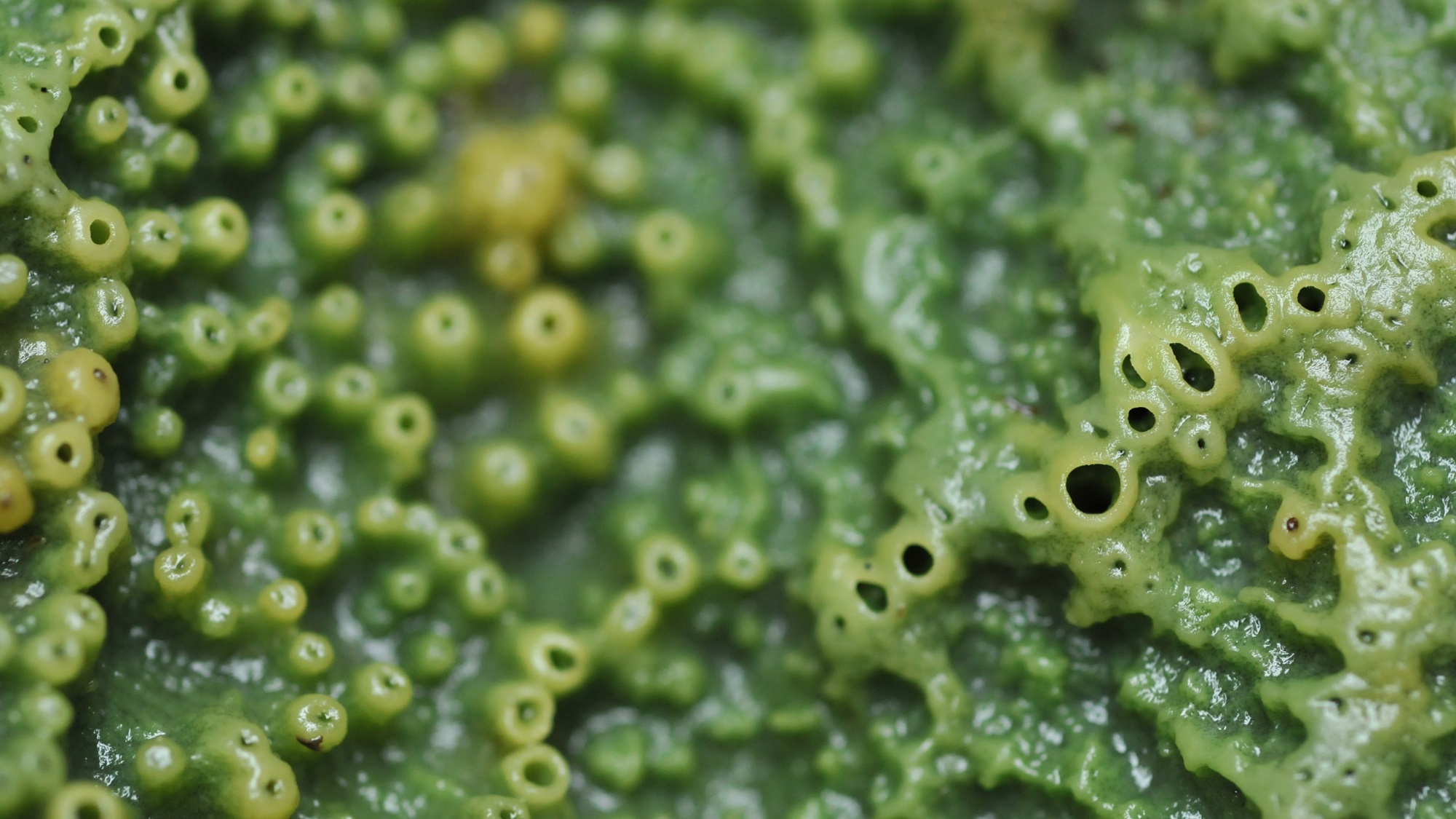
Sponges are common in Canadian waters, both marine and freshwater, but no comprehensive inventory has been conducted. The phylum is usually divided into four classes (Hexactinellida, Calcarea, Demospongiae and Sclerospongiae), according to the form and chemical nature of the skeleton. Living tissues of common, shallow-water sponges consist of loosely organized cells. Deep-sea hexactinellids (glass sponges) are syncytial, i.e., lack division of living tissues into separate cells. In both types, water pulled into small surface pores and distributed through internal canals provides oxygen, food (caught by filtration), waste removal (by water leaving the larger body pores) and distribution of sperm and eggs. Sponges are important in the bath sponge industry, as boring organisms that erode oysters and limestone, as sources of bioactive compounds in the pharmaceutical industry, and for their use in studies of cell specialization and intercommunication.